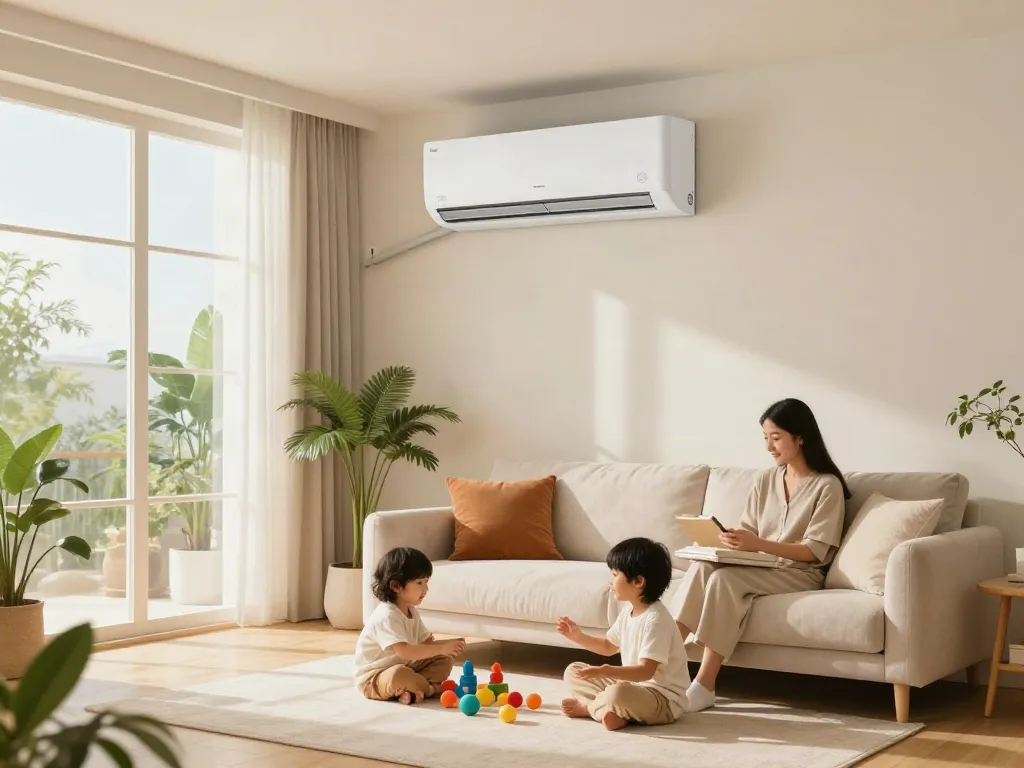
Understanding Ductless AC Systems
Ductless air conditioning systems, commonly known as ductless AC or mini-splits, have gained traction among homeowners and business owners due to their versatility and efficiency. Unlike traditional air conditioning systems that rely on ductwork to circulate cool air, ductless systems provide a direct means of temperature control, allowing for greater flexibility in installation and operation. As the demand for energy-efficient cooling solutions continues to rise, understanding the fundamentals of ductless AC is essential for making informed purchasing decisions. When exploring options, ductless ac units offer numerous benefits that cater to modern living conditions.
What is a Ductless AC?
A ductless air conditioning system, also referred to as a mini-split system, consists of two main components: an indoor unit and an outdoor compressor. These systems operate independently of ductwork, making them an ideal choice for homes without existing ducts or for those looking to add cooling capabilities to specific rooms. Ductless systems can be used for both heating and cooling, thus providing year-round comfort in a single, efficient unit.
How Ductless Systems Work
Ductless AC systems function by transferring heat between the indoor and outdoor units. During the cooling process, the indoor unit absorbs heat from the room and transfers it to the outdoor unit, where the heat is expelled. Conversely, during heating, the process is reversed, allowing the system to draw heat from the outside air and distribute it indoors. This process is highly efficient, often using less energy than comparable traditional systems.
Key Components of Ductless AC Units
- Indoor Unit: The indoor component is where the cooling or heating takes place, typically mounted on walls or ceilings.
- Outdoor Unit: This unit houses the compressor and is responsible for expelling heat outside.
- Refrigerant Lines: These lines connect the indoor and outdoor units, allowing for the transfer of refrigerant that facilitates the heating and cooling process.
- Remote Control: Most ductless systems come with remote controls or smart technology, allowing users to adjust the temperature and settings easily.
Benefits of Choosing Ductless AC
Energy Efficiency and Cost Savings
One of the most significant advantages of ductless AC systems is their energy efficiency. These systems can reduce energy consumption by up to 30% compared to traditional HVAC systems. The absence of ductwork means less energy loss, as cool air doesn't escape through leaks or poorly insulated ducts. This efficiency translates into lower utility bills, making ductless systems a financially smart choice over time.
Improved Air Quality
Ductless air conditioning units also contribute to enhanced indoor air quality. Traditional HVAC systems can accumulate dust, allergens, and mold within the ductwork, which then circulate throughout the home. Since ductless systems do not rely on ducts, they significantly reduce the potential for contaminants in the air, creating a healthier living environment.
Flexible Installation Options
Installation flexibility is another key benefit of ductless AC systems. These units can be installed in various settings, including residential homes, commercial spaces, and areas that lack ductwork. The low-profile design of ductless systems allows for placement in tight or unconventional spaces, while the ability to control temperatures in individual rooms provides customized comfort.
Common Misconceptions About Ductless AC
Noise Levels and Operation
One common misconception is that ductless AC units are noisy. In reality, modern mini-split systems are designed to operate quietly. The outdoor compressor is generally the noisiest component, while indoor units can operate at whisper-quiet levels, often around 19 dB, comparable to the sound of a library. This makes them suitable for bedrooms, living rooms, and other quiet environments.
Maintenance Requirements
Some homeowners may believe that ductless systems require more maintenance than traditional HVAC units. However, the opposite is typically true. While regular maintenance is necessary for any HVAC system, ductless AC units often require less frequent servicing. Cleaning the filters and ensuring the outdoor unit remains free of debris are simple tasks that homeowners can manage.
Effectiveness in Large Spaces
Another misconception is that ductless systems are ineffective in larger spaces. While it's true that a single ductless unit may struggle to cool an expansive area, multi-zone systems can efficiently handle larger spaces by connecting multiple indoor units to a single outdoor unit. This allows for zone-specific temperature control, enhancing overall comfort.
Best Practices for Ductless AC Installation
Choosing the Right Location for AC Units
The location of your ductless AC units significantly affects their efficiency and performance. Indoor units should be placed in areas that maximize airflow, ideally at least 7 feet above the floor. Avoid placing them behind furniture or in dark corners to ensure optimal air distribution.
Professional vs. DIY Installation
While DIY installation may seem appealing for ductless systems, professional installation is recommended to ensure the unit operates efficiently and safely. Professionals have the expertise to handle refrigerant lines and electrical connections, which are critical for the system's performance and longevity.
Essential Maintenance Tips
To keep your ductless AC operating efficiently, it's essential to perform regular maintenance. This includes:
- Cleaning or replacing filters every 1-3 months.
- Checking the refrigerant levels and inspecting the lines for leaks.
- Cleaning the outdoor unit of debris and ensuring proper airflow.
Future Trends in Ductless AC Technology
Smart Technology Integration
The integration of smart technology into ductless systems is on the rise. Many modern units now offer Wi-Fi connectivity, allowing users to control their systems from smartphones or smart home devices. This capability enhances convenience and energy management, enabling users to adjust settings while away from home.
Energy Efficiency Regulations for 2026
As environmental concerns continue to drive the HVAC industry, new energy efficiency regulations are expected to be implemented by 2026. These regulations will likely mandate higher SEER (Seasonal Energy Efficiency Ratio) ratings for ductless systems, pushing manufacturers to innovate further in energy-saving technologies.
Innovations in Design and Functionality
Innovations in the design and functionality of ductless AC systems are making them more aesthetically pleasing and user-friendly. Manufacturers are investing in sleek designs that blend seamlessly with modern home aesthetics, while also focusing on features such as enhanced filtration systems that improve indoor air quality.
What are the benefits of ductless AC?
The primary benefits of ductless AC systems include energy efficiency, improved air quality, and flexible installation options. Homeowners can enjoy customized comfort across different rooms without the drawbacks of traditional ductwork.
How do I maintain my ductless AC unit?
Maintaining your ductless AC unit involves regular cleaning of filters, checking for refrigerant leaks, and ensuring the outdoor unit is free of obstructions. Simple maintenance tasks can significantly extend the unit's lifespan.
Are ductless systems noisy?
Modern ductless systems are engineered to operate quietly. Most indoor units function at low noise levels, making them suitable for residential use without the distraction of excessive sound.
Can ductless AC heat and cool?
Yes, ductless AC systems can both heat and cool spaces, offering year-round comfort. Their reversible function allows for versatile use, making them a great investment for any climate.
What size ductless AC do I need?
Choosing the right size ductless AC unit depends on the square footage of the space to be cooled or heated. It's recommended to consult with a professional to determine the appropriate BTU (British Thermal Unit) rating for optimal performance.